
What changed on 28 October 2026, what it means for you, and what to do before the new rules start.
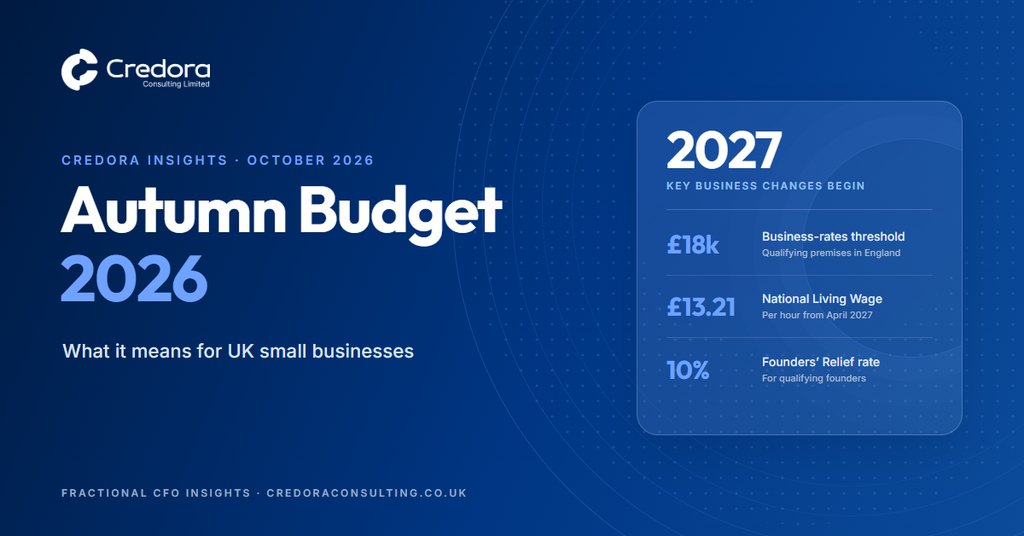
Chancellor John Healey gave his first Budget on 28 October 2026. He did not change the main rates of income tax, National Insurance, VAT or corporation tax. Instead, he made smaller changes: some help with living costs, a pay rise for the lowest paid, and a mix of help and extra costs for businesses. For each change, we explain what it means, give an example, add some background and say what you can do.
Key numbers at a glance
For households: what the Budget means for you
Your pay: the minimum wage rises to £13.21
What changed: from 1 April 2027, the minimum wage for people aged 21 and over goes up from £12.71 to £13.21 an hour. For people aged 18 to 20, it goes up from £10.85 to £11.27 an hour.
Background: today the adult minimum wage is £12.71 an hour. The new rate is 50p an hour more. That is the same rise as last year, and smaller than the 77p rise the year before. Prices are going up almost as fast, so much of the extra money will go on higher bills.
What you can do: check your first payslip after 1 April 2027. If you get Universal Credit, tell them your pay has changed.
Energy and fuel: help with bills, for now
What changed: if you live in England in a home in council tax bands A to D, you should get £100 towards energy bills from January 2027. Up to 20 million homes qualify. There is also no VAT on home electricity, and petrol and diesel stay 5p a litre cheaper, until July 2027.
Background: today you pay 5% VAT on your electricity. Removing it saves about £5 on every £100 you spend. Petrol and diesel are already 5p a litre cheaper because of a tax cut. All this help stops in summer 2027.
What you can do: check your council tax band on GOV.UK, and compare energy deals before the help ends.
Savings: the ISA limit stays at £20,000, but tax on interest goes up
What changed: the government has dropped its plan to cut the Cash ISA limit. You can still save up to £20,000 a year in ISAs without paying tax. But from 6 April 2027, savings outside an ISA will be taxed more. The tax on interest goes up by 4p in every £1: 20% becomes 24%, 40% becomes 44%, and 45% becomes 49%, depending on your tax band.
Background: last year, the government planned to cut the cash part of the ISA limit from £20,000 to £12,000. It has now dropped that plan. Outside an ISA, most people can earn £1,000 of interest a year tax-free (£500 if you pay higher-rate tax). As interest rates go up, more people will go over this and pay tax.
What you can do: use this year’s ISA allowance before 5 April 2027. Couples get £20,000 each.
Buying a first home: smaller deposits with a government loan
What changed: from April 2027, a new Your First Home scheme in England will lend first-time buyers up to 20% of the price of a home, so you can buy with a deposit of just 2.5%. In 2029, a new First Time Buyer ISA will replace the Lifetime ISA.
Background: today most first-time buyers need a deposit of at least 5%. On a £250,000 flat, that is £12,500. The new scheme halves it to £6,250. It is like the old Help to Buy scheme. Some people said that scheme pushed up the price of new homes.
What you can do: find out how and when you must pay back the government loan. Make sure you could still afford your mortgage if interest rates rise.
Pensioners: no income tax on the state pension alone
What changed: from 6 April 2027, you will not pay income tax on income up to the amount of the full new state pension.
Background: today the full state pension is about £12,548 a year (£241.30 a week). You can earn £12,570 before paying tax, so the state pension is only £22 below that line. The state pension goes up every April, so without this change many pensioners would soon pay tax on it.
What you can do: other income, such as a work pension, can still be taxed, so check your tax code.
Side income: earn up to £3,000 tax-free
What changed: from 6 April 2027, you can earn up to £3,000 a year from a side job, such as selling crafts or tutoring, without paying tax. This is up from £1,000.
Background: today you can earn £1,000 a year tax-free from a side job. The new limit is three times that.
What you can do: keep simple records. If your costs are more than £3,000, it may be better to claim your actual costs instead.
Households: what to do and when
Before 31 December 2026
- Check your council tax band: homes in bands A to D in England get the £100.
- Look at mortgage deals: start early if your fixed rate ends in 2027.
Before 5 April 2027
- Use your ISA allowance: move savings into an ISA before the tax on interest goes up.
- Compare energy deals: get ready for higher bills when the help ends in July 2027.
From April 2027 onwards
- Check your payslip and tax code: make sure you get the new minimum wage and, if you are a pensioner, the new tax-free amount.
For companies: what the Budget means for your business
Staff costs: higher wages, same National Insurance
What changed: the higher minimum wage starts on 1 April 2027. Employer National Insurance stays at 15% on pay above £5,000 a year. The Employment Allowance, which takes up to £10,500 a year off smaller employers’ National Insurance bills, also stays the same. From April 2027, tax on staff perks, such as company cars and private health cover, must go through payroll. You will no longer report them on a separate form (the P11D) at the end of the year.
Background: employer National Insurance went up in April 2025, from 13.8% to 15%. Many employers then took on fewer staff. This Budget does not raise it again.
What you can do: work out the extra cost now, including pay rises for supervisors, and use it when you set prices or agree fees.
Buying equipment: tax relief explained
How it works: when a business buys equipment, it can take some or all of the cost off its profit, so it pays less tax. This is called a “capital allowance”. Some allowances let you take off the whole cost in the first year. Others spread it over many years.
What changed: there are two changes. First, from 1 January 2027, if you buy certain new equipment, you can take half (50%) of the cost off your profit in the first year. Today it is 40%. Second, from April 2027, the slower relief on older equipment (called the “main pool”) falls from 14% a year to 12% a year. Two things stay the same. Most companies can still take the full cost of new equipment off their profit (“full expensing”). Any business can still take off the full cost of up to £1 million of equipment a year (the “Annual Investment Allowance”).
Background: in April 2026, the yearly rate for older equipment was cut from 18% to 14%. Now it falls again, to 12%. The government wants businesses to buy new equipment rather than rely on old.
What you can do: if you plan to buy new equipment, think about buying it on or after 1 January 2027, and update your cash-flow plans.
Selling your business: less tax relief for most
What changed: when you sell a business at a profit, you pay tax on that profit (capital gains tax). A relief called Business Asset Disposal Relief (BADR) means you pay 18% instead of 24%. From 6 April 2027, you only get the lower rate on the first £500,000 of profit in your lifetime. Today it is £1 million. A new Founders’ Relief will charge just 10% on up to £10 million, but only for fast-growing companies that pass strict tests.
Background: today the lower rate covers up to £1 million of profit. The rate went up from 14% to 18% in April 2026, and now the limit is cut in half. So selling a business costs more in tax for the second year running.
What you can do: if you may sell in the next few years, get advice now on when and how to sell.
Shops, pubs and cafés: more help with business rates
What changed: from April 2027 in England, shops, pubs, cafés and gyms will pay no business rates if their rateable value is £18,000 or less. Today the limit is £12,000. Rateable value is the yearly rent your property is officially valued at. If it is between £18,000 and £21,000, you get some help, but less the higher it is. Pubs, clubs and music venues also get 20% off their rates.
Background: today, small businesses in England pay no rates if their rateable value is £12,000 or less, and get no help at all above £15,000. With the new limits, about 70,000 more businesses will pay nothing.
What you can do: check your rateable value on GOV.UK.
Business mileage: 55p a mile is now permanent
What changed: the rate for the first 10,000 business miles in your own car or van stays at 55p a mile, and it is now permanent. It had been 45p for about 15 years. A temporary 55p rate started on 6 April 2026. For miles above 10,000 a year, the rate goes up from 25p to 35p a mile from 6 April 2027.
Background: the old rate of 45p a mile had not changed for about 15 years, while fuel and running costs kept rising. These are the approved rates: the most an employer can pay staff per mile without tax, and the rates a sole trader can use to claim for business driving. The rise in the rate above 10,000 miles helps people who drive a lot for work.
What you can do: check that your expenses policy and payroll use the right rates, and keep a simple mileage log with the date, journey and miles for every trip. From April 2027, update the rate for miles above 10,000.
Landlords: more tax on rent
What changed: from 6 April 2027, landlords who own property in their own name will pay more tax on their rental profit: 24%, 44% or 49%, depending on their tax band. Today it is 20%, 40% or 45%.
Background: if you own property in your own name, you can already only take 20% of your mortgage interest off your tax bill, even if you pay tax at 40% or 45%. You also pay extra stamp duty when you buy another home.
What you can do: look at your costs. Before April 2027, get advice on whether owning property through a company, or jointly with your husband, wife or civil partner, would suit you.
Tax paperwork: going digital
What changed: from April 2027, sole traders and landlords with income over £30,000 must use Making Tax Digital. This means keeping records on approved software and sending updates to HMRC every three months. The limit falls to £20,000 in April 2028. From October 2027, online marketplaces (websites where many sellers sell their goods) will collect VAT for larger UK sellers. From April 2029, VAT invoices must be electronic, and VAT and PAYE will usually be paid by Direct Debit.
What you can do: choose software that works with Making Tax Digital, and start keeping digital records now.
Companies: what to do and when
Before 31 December 2026
- Work out your 2027 to 2028 wage bill: include the new rates in your prices and fees.
- Plan equipment buying: if you can, buy qualifying new equipment on or after 1 January 2027.
- Check your rateable value: see if the new business rates help applies to you.
Before 5 April 2027
- Thinking of selling? Get advice before the BADR limit is cut in half.
- Get your systems ready: set up payroll for staff perks and Making Tax Digital software.
- Check your borrowing: look at loans and overdrafts before interest rates rise.
- Update your mileage policy: use 35p a mile for business miles above 10,000 from 6 April 2027.
From April 2027 onwards
- Pay the new rates: pay the new minimum wage from 1 April 2027, and plan for the VAT and digital changes from 2027 to 2029.
Key dates for your diary
| Date | What happens |
|---|---|
| 1 January 2027 | £100 energy payments begin. Tax relief on new equipment rises to 50% in the first year. |
| 1 April 2027 | Minimum wage rises to £13.21. More help with business rates in England. Your First Home loans open. |
| 6 April 2027 | Tax on savings interest and rental profit goes up. Lower tax on business sales limited to £500,000, and Founders’ Relief starts. No income tax on the state pension alone. Side income up to £3,000 becomes tax-free. Making Tax Digital starts for income over £30,000. Mileage rate above 10,000 miles rises from 25p to 35p. |
| July 2027 | No-VAT electricity and the 5p fuel cut end. |
| October 2027 | Online marketplaces start collecting VAT for larger UK sellers. |
| April 2028 | Making Tax Digital extends to income over £20,000. |
| April 2029 | VAT invoices must be electronic, and VAT and PAYE paid by Direct Debit. First Time Buyer ISA replaces the Lifetime ISA. |
What happens next
Parliament still has to pass these changes into law, and some, such as Founders’ Relief, are still being discussed, so the details could change. If energy prices stay high, prices and interest rates could rise further. We will update this guide when we know more.
Related reading: How to Reduce Your Company’s Tax Bill Legally in the UK
How Credora can help
We help UK businesses of all sizes and sectors plan for changes like these:
- Check: we find out which changes affect your business, staff, property or shares.
- Choose: we work out your options, such as when to sell, when to buy equipment and how to own property.
- Stay on top: we follow the new law and tell you when the details change.
- Keep clean: we keep your records ready for Making Tax Digital and any HMRC check or lender request.
- Plan ahead: as your part-time finance director (fractional CFO), we build your budget and cash plan for 2027 to 2028.
Book a free 15-minute consultation and we will tell you which changes matter to you.
Book your free consultationOr email us at enquiries@credoraconsulting.co.uk
General information, not financial or tax advice. This article reflects the Chancellor’s Budget announcements as at 28 October 2026. Some measures remain subject to legislation and consultation, and details may change. Names and figures in the examples are illustrative. Please take advice on your own circumstances before acting.
Sources and where to find the official detail: HM Treasury, Budget 2026 documents (gov.uk/government/publications/budget-2026-document); HMRC, Budget 2026 tax-related documents (gov.uk/government/collections/budget-2026-tax-related-documents); Budget 2026: Overview of tax legislation and rates (OOTLAR) on GOV.UK. HM Treasury, Budget 2026 Policy Costings. OBR, Economic and fiscal outlook, October 2026. Bank of England, Monetary Policy Summary, September 2026. Budget-day summaries consulted: Hawksford, Bishop Fleming, City AM, PwC UK, Morning Advertiser, Brit Brief, Tax Policy Associates. Mileage rates: Lewis Silkin, Budget 2026: key employment tax points (29 October 2026); Accountancy Daily, Budget 2026: 35p rate for high mileage company drivers.